
Fashion
Thespark Shop Kids Clothes for Baby Boy & Girl

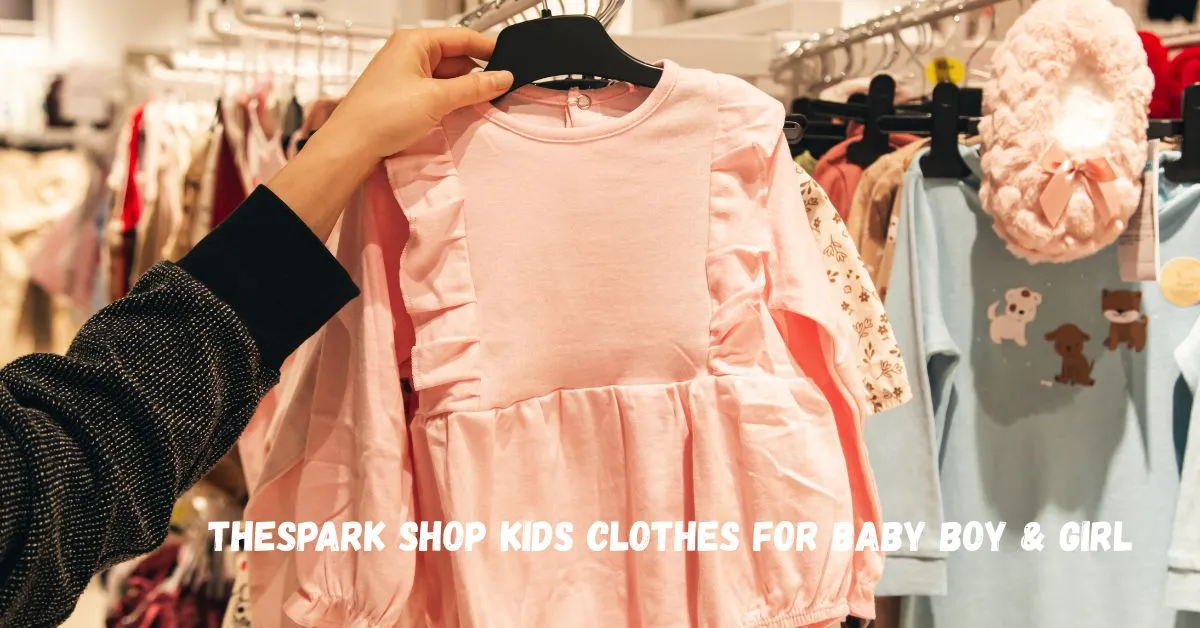
Shopping for your child’s clothes should be fun, not stressful. That’s where thespark shop kids clothes for baby boy & girl make a difference. This online store brings together fashion, comfort, and affordability, helping parents find adorable outfits for their little ones without spending a fortune. Whether it’s a cozy romper for your baby boy or a cute dress for your baby girl, TheSpark Shop has it all.
Why Parents Trust TheSpark Shop
Parents want the best for their children, and TheSpark Shop delivers just that. It focuses on soft fabrics,stylish designs, and safe materials suitable for babies and toddlers. The brand’s commitment to quality and comfort has made it a favorite among modern parents.
Comfort Comes First
Babies have delicate skin, so comfort is always a top priority. TheSpark Shop uses breathable cotton, stretchable blends, and non-irritating materials. These fabrics allow kids to move freely, sleep peacefully, and play happily — all while looking adorable.
Trendy Picks for Baby Boys
TheSpark Shop’s baby boy collection is both fashionable and functional. Parents can choose from:
-
Fun printed T-shirts and shorts
-
Cozy sweatshirts for chilly days
-
Cotton rompers for daily wear
-
Stylish shirts for special occasions
Each piece blends comfort with cool designs that make your little boy stand out effortlessly.
Adorable Fashion for Baby Girls
If you’re shopping for your baby girl, TheSpark Shop offers a stunning range of options. Popular choices include:
-
Frilly frocks and dresses
-
Soft leggings and matching tops
-
Playful jumpsuits and rompers
-
Festive outfits for celebrations
These outfits are colorful, lightweight, and perfect for every event — from playtime to parties.
Seasonal Clothing for Every Weather
TheSpark Shop keeps your child comfortable in all seasons. You’ll find:
-
Summer wear: light cotton rompers and sleeveless tops
-
Winter wear: warm jackets, hoodies, and thermal sets
-
Rainy wear: quick-dry T-shirts and water-resistant clothes
This variety ensures your child is always dressed appropriately, no matter the weather.
Affordable Style for All
High-quality kids’ clothes don’t have to be expensive. TheSpark Shop offers affordable pricing without compromising on quality. With regular discounts and combo deals, parents can shop smart and save more.
Safe Fabrics for Baby Skin
Every outfit at TheSpark Shop is crafted from hypoallergenic and toxin-free fabrics. These materials are gentle on sensitive baby skin and ensure all-day comfort, even for newborns.
Easy Online Shopping Experience
Shopping at TheSpark Shop is simple and convenient. The website offers clear product descriptions, size charts, and secure payment options. Parents can browse, order, and get clothes delivered straight to their door.
Trendy Designs Kids Will Love
Children love fun and colorful clothes, and TheSpark Shop knows that. The brand offers designs inspired by cartoons, animals, superheroes, and nature, making dressing up a fun experience for your little one.
Perfect Gifts for Every Occasion
Whether it’s a birthday, baby shower, or special event, thespark shop kids clothes for baby boy & girl make excellent gift choices. You can pick from cute combos, coordinated sets, or festive wear — all packaged beautifully for gifting.
Wide Range of Sizes
Finding the right fit is easy with TheSpark Shop’s size-inclusive range. Sizes are available for newborns up to pre-teens, with a detailed size guide to help you choose the best fit for your growing child.
Customer Reviews and Trust
Thousands of satisfied parents praise TheSpark Shop for its quality fabrics, fast delivery, and great customer service. These positive reviews show the brand’s dedication to customer satisfaction.
Eco-Friendly and Responsible Practices
TheSpark Shop believes in protecting the planet for future generations. Its use of sustainable materials and ethical manufacturing practices ensures every purchase is environmentally responsible.
Tips for Choosing the Best Kids’ Clothes
When shopping for your child, remember these simple tips:
-
Choose soft and breathable fabrics
-
Look for easy-to-wash materials
-
Select stretchable fits for growing kids
-
Prefer vibrant colors and fun prints they’ll enjoy wearing
TheSpark Shop’s collection checks all these boxes perfectly.
Conclusion
When it comes to dressing your little one, thespark shop kids clothes for baby boy & girl combine everything parents need — comfort, style, safety, and affordability. Each outfit is thoughtfully designed to bring joy to your child’s wardrobe while making your life easier. So, if you’re looking for trendy, budget-friendly, and safe baby clothing, TheSpark Shop is the ideal destination.
FAQs
1. What age range do TheSpark Shop clothes cover?
They offer clothing for newborns up to 12-year-olds, with multiple size options.
2. Are TheSpark Shop clothes suitable for sensitive skin?
Yes, the clothes are made from soft, chemical-free materials perfect for delicate baby skin.
3. How can I place an order?
You can visit their website, choose your items, and check out easily using secure payment options.
4. Does TheSpark Shop offer discounts or sales?
Yes, the brand frequently runs discounts, seasonal offers, and combo deals.
5. Can I return or exchange an item?
Absolutely. TheSpark Shop provides an easy return and exchange policy to ensure customer satisfaction.
Indigo coloration has fascinated civilizations for thousands of years. From ancient textiles to modern denim fashion, indigo remains one of the most recognizable and emotionally powerful colors in human history. Its deep blue tone sits between blue and violet on the visible spectrum, creating a shade that feels both calming and mysterious. Unlike many modern synthetic colors, indigo carries cultural weight, scientific intrigue, and artistic heritage.
Across continents, indigo has symbolized status, spirituality, craftsmanship, and even resistance. It was once more valuable than gold in certain trade routes because extracting natural indigo dye required extensive labor and agricultural knowledge. Communities developed unique dyeing traditions that became part of their cultural identity. Even today, handmade indigo textiles are celebrated for their authenticity and depth of color.
This comprehensive guide explores indigo coloration from multiple perspectives. We will examine its chemical structure, historical significance, dyeing techniques, cultural symbolism, environmental considerations, and its place in modern design. By understanding indigo in depth, we gain insight into how color shapes history, industry, and human expression.
What Is Indigo Coloration?
Indigo coloration refers to the deep blue-violet shade produced either from natural indigo plants or synthetic chemical processes. On the color spectrum, indigo is positioned between blue and violet, with a wavelength of approximately 420–450 nanometers. This placement gives it a distinct tone that differs from lighter sky blues or darker navy shades.
Natural indigo dye traditionally comes from plants in the Indigofera genus. These plants contain indican, a compound that transforms into indigo dye through fermentation and oxidation. The process is complex and requires careful timing and skill. The resulting pigment bonds strongly with fibers like cotton, producing a long-lasting color.
In modern times, most indigo coloration used in industry is synthetic. Synthetic indigo was first developed in the late 19th century, revolutionizing textile production. Today, it is widely used in manufacturing denim, particularly for blue jeans. Despite synthetic dominance, natural indigo continues to be valued in artisan and sustainable fashion markets.
The History of Indigo: A Color That Shaped Civilizations
Indigo’s history dates back over 6,000 years. Archaeological evidence shows indigo-dyed textiles in ancient Peru, Egypt, and Mesopotamia. It became one of the earliest globally traded commodities because of its durability and vibrant hue. In ancient societies, indigo was associated with wealth and status due to the labor-intensive extraction process.
During the colonial era, indigo became central to global trade networks. European demand for blue textiles drove large-scale indigo plantations in India and the Caribbean. This trade, however, was often linked to exploitative labor systems. Indigo farming played a significant role in colonial economies and even sparked resistance movements, such as the Indigo Revolt in 19th-century India.
The invention of synthetic indigo in 1897 transformed the industry. German chemist Adolf von Baeyer successfully developed a synthetic method, making indigo more accessible and affordable. This breakthrough reduced reliance on agricultural production and allowed mass manufacturing of indigo-dyed textiles, particularly denim.
The Science Behind Indigo Coloration
Indigo’s chemical formula is C₁₆H₁₀N₂O₂. What makes indigo unique is its insolubility in water. To dye fabrics, indigo must first be reduced into a soluble form called leuco-indigo. This reduction process allows the dye to penetrate fibers. Once exposed to oxygen, it oxidizes back into its blue form, locking the color into the material.
This oxidation process explains why freshly dyed indigo fabrics initially appear greenish before turning deep blue. The transformation occurs when oxygen interacts with the dye molecules. This chemical reaction is central to both traditional and industrial dyeing methods.
Another distinctive feature of indigo coloration is its surface-level bonding. Unlike many dyes that penetrate deeply into fibers, indigo primarily coats the outer surface. This characteristic is responsible for the fading effect seen in denim. As fabric wears and washes over time, indigo gradually fades, creating unique patterns that are highly valued in fashion.
Natural Indigo Dyeing Techniques
Traditional indigo dyeing involves fermenting indigo plant leaves to extract pigment. The fermentation process converts indican into indoxyl, which then oxidizes into indigo. Skilled artisans carefully manage temperature, pH levels, and oxygen exposure to produce high-quality dye vats.
One well-known traditional technique is the Japanese method of aizome. This process involves repeated dipping of fabric into the indigo vat, allowing oxidation between dips. The repeated layering deepens the shade gradually. The craftsmanship behind aizome requires patience and precision.
In West Africa, indigo dyeing has long been part of cultural heritage. Techniques often include resist-dye methods such as tie-dye or stitching patterns before dipping. These patterns create intricate designs once the dye sets. Such methods highlight the artistic dimension of indigo coloration beyond simple fabric coloring.
Synthetic Indigo and Industrial Production
With industrialization, synthetic indigo became the dominant form used in textile manufacturing. It is primarily produced through chemical synthesis using petrochemical derivatives. The process allows consistent color quality and large-scale output suitable for global markets.
Denim production relies heavily on synthetic indigo. Billions of pairs of jeans are produced annually, each requiring multiple dye baths. Industrial dyeing methods use rope dyeing or slasher dyeing techniques to ensure uniform application across large fabric rolls.
However, synthetic production raises environmental concerns. Chemical waste and water pollution are significant issues in textile industries. As a result, researchers and brands are now exploring sustainable alternatives and eco-friendly dyeing innovations.
Indigo in Fashion and Modern Design
Indigo coloration has become synonymous with denim, one of the most influential fashion materials in history. From workwear in the 19th century to global fashion statements today, indigo-dyed jeans represent durability and versatility. Designers continuously reinvent indigo through distressed finishes, raw denim, and artisanal washes.
Beyond denim, indigo appears in contemporary interior design. Indigo walls, furniture accents, and textiles add depth and sophistication to living spaces. The color pairs well with neutrals, gold tones, and natural materials like wood.
In graphic design and branding, indigo communicates trust, creativity, and depth. Many companies use indigo-inspired tones in logos and digital interfaces because of its calming yet authoritative presence.
Cultural Symbolism of Indigo
Indigo has deep symbolic meaning across cultures. In Japan, it represents purity and protection. In parts of Africa, indigo-dyed garments historically signified wealth and status. In Western psychology, indigo is often associated with intuition and spirituality.
In Hindu tradition, indigo relates to the Ajna or “third eye” chakra, symbolizing awareness and perception. This spiritual connection reinforces indigo’s mystical reputation.
Color psychology studies suggest that indigo evokes calmness and reflection. It bridges the energy of blue with the introspection of violet. This balance makes it popular in meditation spaces and wellness branding.
Environmental Impact and Sustainable Innovations
The environmental footprint of indigo production has drawn increasing attention. Traditional dyeing uses significant water resources, while synthetic methods involve chemical waste. These issues have pushed researchers to develop more sustainable solutions.
Innovations include bio-based synthetic indigo produced through bacterial fermentation. This approach reduces chemical waste and lowers carbon emissions. Some brands also experiment with foam dyeing technology to minimize water usage.
Consumers are increasingly seeking eco-friendly denim and natural indigo garments. Sustainable fashion movements highlight transparency in dye sourcing and production methods. As awareness grows, the industry continues evolving toward greener practices.
Indigo in Art and Creative Expression
Artists have long been inspired by indigo’s depth and richness. Painters use indigo pigments to create atmospheric landscapes and night scenes. Textile artists incorporate indigo in tapestries and contemporary fabric art.
In photography, indigo tones dominate twilight and night imagery. The “blue hour” effect often leans toward indigo shades, creating dramatic visuals.
Creative experimentation with indigo continues in mixed media art, ceramics, and digital illustration. Its timeless appeal ensures it remains a staple in artistic expression.
The Future of Indigo Coloration
The future of indigo coloration lies at the intersection of tradition and technology. Sustainable innovation aims to preserve cultural heritage while reducing environmental harm. Bioengineering and green chemistry may redefine how indigo is produced.
At the same time, handcrafted indigo textiles are experiencing renewed appreciation. Consumers value authenticity and storytelling behind products. Artisans combining ancient techniques with modern aesthetics are shaping a new indigo renaissance.
As industries balance efficiency with sustainability, indigo remains relevant. Its rich history and evolving applications ensure it will continue influencing fashion, design, and culture for generations.
Conclusion: Indigo as a Living Legacy
Indigo coloration is more than just a shade of blue. It represents scientific ingenuity, cultural identity, artistic creativity, and global trade history. From ancient civilizations to modern denim factories, indigo has shaped economies and aesthetics alike.
Understanding indigo means appreciating both its beauty and complexity. Whether through traditional dye vats or innovative sustainable technologies, the story of indigo continues to unfold.
In a world driven by trends, indigo stands as a timeless color. Its depth invites reflection, its history commands respect, and its future promises innovation.
FAQs
What is indigo coloration?
Indigo coloration refers to the deep blue-purple hue traditionally produced using natural indigo dye and widely used in textiles and design.
Where does indigo dye come from?
Indigo dye traditionally comes from plants such as Indigofera tinctoria and has been used for centuries.
What does indigo symbolize?
Indigo often represents wisdom, intuition, spirituality, and depth.
Is indigo a natural or synthetic color?
It can be both. Historically it was plant-based, but today synthetic indigo is widely produced.
Why is indigo popular in fashion?
Indigo is timeless, versatile, and famously used in denim production worldwide.
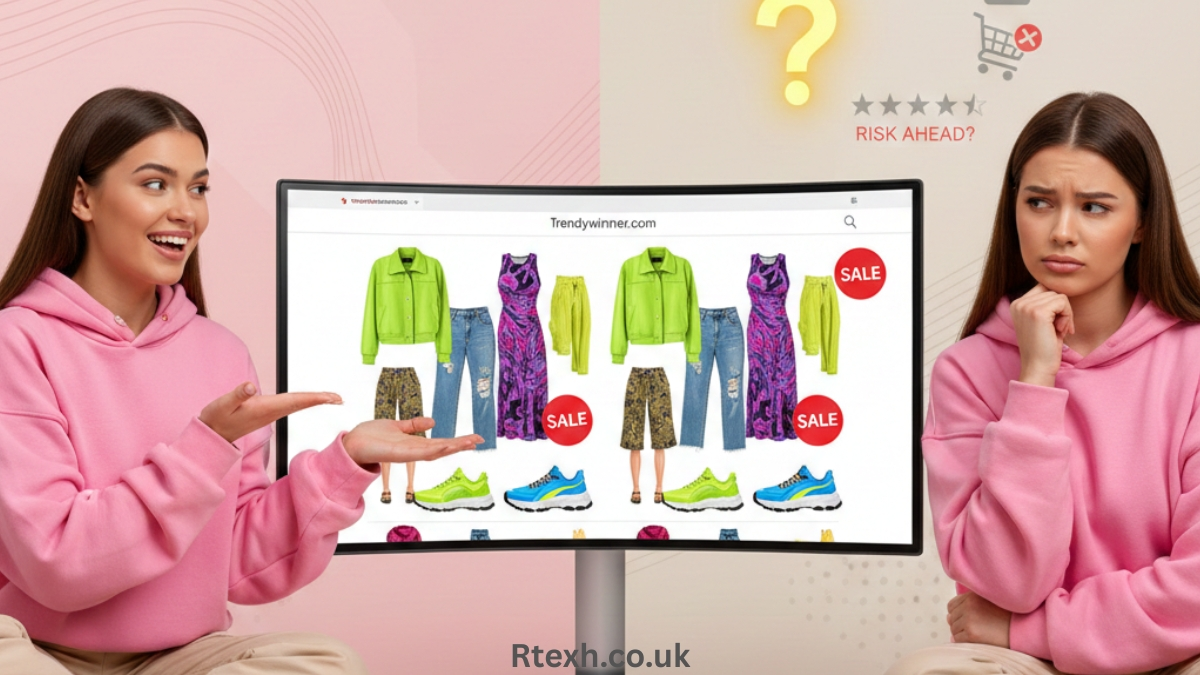
In today’s fast-moving digital world, fashion trends change very quickly. What is popular this month may feel outdated the next. Because of this, many people want stylish clothes and accessories without spending too much money. Trend-based online shopping platforms have become very popular for this reason. They promise fresh styles, modern designs, and low prices, all in one place.
Budget-friendly fashion websites attract shoppers who love experimenting with new looks. Younger buyers, especially, enjoy trying viral outfits seen on social media without paying high brand prices. However, while low prices are exciting, they also raise important questions. Is the quality good? Will the product match the pictures? Can the site be trusted?
This is where the balance between style and safety becomes important. Trendywinner com is one of those platforms that looks appealing at first glance. But fashion lovers need to understand whether it is a fun style destination or a risky shopping choice. This article breaks everything down in a clear and honest way to help shoppers decide wisely.
What Trendywinner com Offers Style Seekers
Trendywinner com presents itself as a fashion-forward online store focused on modern trends. The website showcases a wide range of products that often reflect what is currently popular on social media platforms. These usually include trendy clothing, accessories, and lifestyle items designed to catch the eye quickly.
For style seekers, the platform feels exciting because it offers variety. Shoppers can find different designs, bold styles, and seasonal fashion that looks similar to what influencers wear online. This makes Trendywinner.com appealing to people who want to refresh their wardrobe often without repeating the same look.
The platform mainly attracts younger and trend-focused audiences. These shoppers are usually more open to experimenting with fashion and less focused on long-term durability. Trendywinner com seems built for people who want fast fashion inspiration and enjoy changing styles frequently rather than investing in expensive pieces.
Trend Accuracy: Do Products Match What’s Shown?
One of the biggest questions fashion shoppers ask is whether the product they receive will look like the pictures shown online. Trendywinner com uses eye-catching images that highlight stylish outfits and accessories. These photos are often well-lit and carefully edited to create a strong visual appeal.
However, image realism can sometimes be a concern on trend-based platforms. In many cases, product photos represent an ideal version of the item. Buyers may expect the same color, fabric flow, or fit shown in the images. When the actual product arrives, small differences can feel disappointing, especially if expectations were very high.
Understanding this gap is important. Trendywinner.com may deliver products that are similar but not identical to what is shown. Fashion lovers who shop here should expect inspiration-based designs rather than exact replicas. Managing expectations helps reduce frustration and leads to a more satisfying shopping experience.
Quality, Fit, and Materials Explained
Quality is often the biggest trade-off in affordable fashion shopping. Trendywinner com offers stylish products at lower prices, which usually means cost-saving measures in production. This can affect fabric thickness, stitching quality, and overall durability of the items.
Fit is another common concern. Trend-based clothing platforms often use general sizing charts that may not suit every body type. A medium size on one site may feel smaller or larger than expected. Without trying items on, shoppers rely heavily on size guides and customer feedback to make better choices.
Materials also play a big role in satisfaction. Synthetic fabrics are commonly used to keep prices low and designs flexible. While these materials can look good in photos, they may feel different when worn. Shoppers who value comfort and long-term use should read descriptions carefully before ordering.
Deals, Discounts, and Psychological Triggers
One of the strongest attractions of Trendywinner com is its frequent deals and discounts. Limited-time offers, flash sales, and price drops create excitement and urgency. These tactics are designed to encourage quick decisions and impulse buying.
Psychological triggers play a big role in online shopping behavior. When shoppers see messages like “only a few left” or “sale ending soon,” they feel pressure to buy immediately. This can lead to purchases that were not fully thought through, increasing the risk of regret later.
To avoid impulse regret, shoppers should pause before checkout. Asking simple questions like “Do I really need this?” or “Would I still buy this at full price?” can help. Trendywinner.com can be fun for deal hunters, but smart shopping requires awareness of these marketing techniques.
Reviews, Returns, and Real Outcomes
After checkout, the real shopping experience begins. Many buyers look for reviews to understand what happens next. Customer feedback about Trendywinner com often shows mixed outcomes. Some shoppers are happy with their purchases, while others report issues related to delivery time or product quality.
Returns and refunds are important factors in any fashion purchase. Trend-based platforms sometimes have complex or unclear return processes. Shoppers may need to read policies carefully to understand timelines, conditions, and responsibilities for return shipping.
Real outcomes depend largely on expectations. Buyers who understand that Trendywinner.com focuses on trend-inspired, affordable fashion tend to feel more satisfied. Those expecting premium quality at very low prices may feel disappointed. Knowing what to expect makes a big difference.
Trust Factors Fashion Shoppers Should Look For
Trust is essential in online fashion shopping. Before placing an order, shoppers should look for clear policies, contact information, and customer support options. A trustworthy platform makes it easy for users to understand how issues are handled.
Fashion ecommerce requires extra caution because clothing quality is subjective. What looks good online may feel different in real life. Platforms like Trendywinner com need to provide transparency to help buyers feel confident. Clear size guides, detailed descriptions, and visible reviews help build trust.
Shoppers should also check external reviews and feedback. Relying only on website testimonials may not give the full picture. Taking time to research improves safety and reduces the risk of unpleasant surprises.
Who Will Enjoy Trendywinner com Most
Trendywinner com is best suited for trend experimenters. These are shoppers who enjoy trying new styles, following social media trends, and updating their wardrobe often. They usually value appearance and affordability over long-term durability.
Quality-focused buyers may feel less satisfied. Shoppers who prefer natural fabrics, precise tailoring, and long-lasting clothing might find the platform less suitable. Trendywinner.com is more about fun fashion than investment pieces.
Matching expectations to reality is key. When shoppers understand what the platform offers, they are more likely to enjoy the experience. Trendywinner com works well for casual, trend-based shopping rather than serious wardrobe building.
Alternatives for Trend-Conscious but Careful Shoppers
For shoppers who love trends but want more reliability, there are alternative platforms to consider. Established fashion retailers often offer similar styles with clearer policies and consistent quality control. These platforms may charge slightly higher prices but provide peace of mind.
Some alternatives focus on fast fashion with better sizing guides and customer support. Others balance trendiness with improved fabric quality. Exploring different options allows shoppers to compare value, trust, and style.
Choosing the right platform depends on personal priorities. Trendywinner com may suit adventurous shoppers, while others may prefer platforms with stronger reputations. Being informed helps shoppers make smarter choices.
Conclusion: Fashion Fun or Fashion Gamble?
Trendywinner com sits at the intersection of excitement and risk. It offers stylish, trend-inspired fashion at prices that attract budget-conscious shoppers. For those who enjoy experimenting and understand the nature of fast fashion, it can be a fun experience.
However, it is not without risks. Quality variations, fit issues, and policy concerns mean shoppers should proceed carefully. Reading product details, checking reviews, and managing expectations are essential steps.
In the end, Trendywinner com is best seen as a fashion playground rather than a premium store. With the right mindset, it can be enjoyable. Without caution, it may feel like a gamble. Smart shoppers will decide based on their comfort level and fashion goals.
FAQs
What is Trendywinner.com?
Trendywinner.com is an online fashion and lifestyle shopping website that sells trendy clothing and accessories at budget-friendly prices.
Is Trendywinner com legit or risky to shop from?
Trendywinner com appears to be a real store, but shoppers should be cautious due to mixed reviews, quality concerns, and unclear return policies.
Does Trendywinner.com clothing match the photos?
Products are often similar to images, but exact matches are not guaranteed. Differences in fabric, fit, or color may occur.
Is Trendywinner.com good for fashion lovers?
It can be enjoyable for trend-focused shoppers who like experimenting with styles, but it may not suit buyers seeking premium quality.
How can I shop safely on Trendywinner com?
Use secure payment methods, start with a small order, read reviews carefully, and understand the return policy before purchasing.
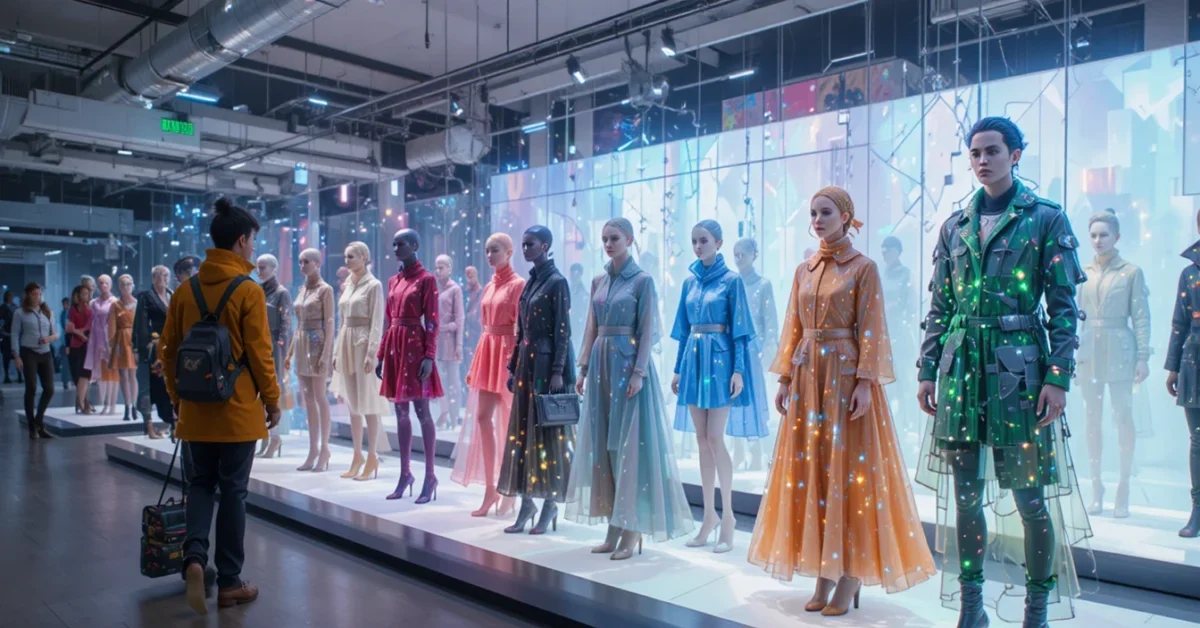
The fashion world has always been about creativity, glamour, and innovation but the 2025 era has taken things to an entirely new level. The rise of Fashion Industry Galleries has created immersive spaces where art, design, and cutting edge technology collide. From virtual runways to AI driven styling, these galleries redefine how we experience fashion today.
No longer just about fabric and trends, fashion has become a multi sensory digital experience. Visitors can now explore 3D collections, interact with virtual models, and even co create designs through augmented reality tools. This fusion of fashion and technology is not just transforming aesthetics it’s shaping the very future of the industry.
The Evolution of Fashion Industry Galleries
Fashion galleries were once reserved for showcasing couture designs or brand heritage. But today, they serve as interactive hubs where creativity meets technology. Instead of passive displays, audiences are invited to participate in the art of fashion.
In 2025, these galleries have evolved into digital storytelling platforms. They blend virtual exhibitions, holographic installations, and AI powered design insights. Visitors don’t just view they engage, explore, and even personalize what they see.
This shift is driven by the demand for experiential fashion. People no longer want to just buy fashion; they want to feel it, experience it, and connect with its story. That’s what modern galleries deliver a seamless blend of emotion and innovation.
Technology as the New Runway
Fashion galleries are now the playgrounds of tech innovation. Artificial Intelligence, Augmented Reality (AR), and Virtual Reality (VR) are revolutionizing how designers showcase their work.
AI assists in trend forecasting, color coordination, and even fabric simulation, helping designers predict what consumers will love next season. Meanwhile, AR and VR exhibitions allow global audiences to attend runway shows virtually no travel required. This not only reduces costs but also makes fashion more inclusive and sustainable.
Blockchain, too, has found its way into the gallery ecosystem. It verifies authenticity, tracks the lifecycle of garments, and combats counterfeiting. The message is clear: technology isn’t replacing creativity it’s enhancing it.
The Rise of Virtual Fashion Galleries
The global shift toward digital spaces has opened new doors for fashion exhibitions. Virtual fashion galleries are becoming the heart of the industry’s digital transformation.
These 3D platforms allow users to “walk through” exhibitions, zoom in on fabric textures, and even try outfits using AR filters. Designers from across the world can display their collections to an international audience without physical boundaries.
Virtual galleries also make fashion more sustainable. No shipping, no travel, and no excessive production just pure digital expression. This model aligns perfectly with the growing eco-conscious mindset of modern consumers.
AI in Design: Creativity Meets Code
Artificial Intelligence has changed how fashion is imagined and created. From generating sketches to predicting consumer preferences, AI acts as the silent collaborator of the modern designer.
Machine learning algorithms analyze millions of styles, fabrics, and patterns, helping creators develop innovative concepts faster. Brands like Dior, Balenciaga, and Gucci are already experimenting with AI driven collections that merge human emotion with algorithmic precision.
Moreover, AI brings data-backed creativity to galleries. It personalizes user experiences, suggesting collections based on browsing behavior or style history. This ensures every visitor feels connected to the display not just as a viewer, but as part of the art itself.
Sustainability and the Digital Revolution
One of the most exciting aspects of the modern Fashion Industry Gallery is its focus on sustainable innovation. By shifting from physical exhibitions to digital experiences, the fashion world significantly reduces waste and environmental impact.
Virtual samples and digital showrooms eliminate the need for large-scale physical production. This eco friendly approach also inspires designers to think responsibly choosing sustainable materials and ethical production methods.
Sustainability is no longer just a buzzword; it’s the core of future fashion. The galleries of 2025 are proof that technology and sustainability can coexist beautifully, creating a new standard for conscious luxury.
The Metaverse and Immersive Fashion Experiences
The entry of fashion into the metaverse has created a universe where imagination knows no limits. Fashion galleries in this virtual world are interactive, futuristic, and incredibly engaging.
In these spaces, visitors can wear digital outfits, attend avatar fashion shows, and buy NFT based designer pieces. It’s fashion without boundaries entirely digital but emotionally real. Brands like Dolce & Gabbana and Nike are already pioneering this virtual frontier.
The metaverse has turned the fashion gallery into a living, breathing experience, where style isn’t just observed it’s lived. This is the next big wave of engagement for digital first consumers.
The Power of Data and Personalization
Data has become the new fabric of fashion. Every click, view, and purchase gives insights into what people truly love. Fashion galleries are now equipped with AI analytics that customize the visitor journey in real time.
For instance, a viewer interested in minimalist aesthetics might be guided toward Scandinavian collections, while a fan of bold prints might see avant-garde styles. This level of personalization keeps audiences captivated and loyal.
The combination of data and design allows brands to build deeper connections with consumers not just through products, but through experiences that feel personally curated.
Fashion Education and Digital Innovation
Fashion Industry Galleries aren’t just for luxury brands they’ve become learning centers for upcoming designers and students. Many institutes now collaborate with digital galleries to host virtual exhibitions of student work.
This democratization of fashion means that creativity has no gatekeepers. A young designer from anywhere in the world can showcase their digital collection to a global audience. This blend of education and technology is nurturing the next generation of visionary artists.
With tools like 3D modeling, AI design assistants, and virtual draping, students are learning fashion through a futuristic lens one that prepares them for the hybrid world of art and tech.
The Human Touch in a Digital Era
Despite all the tech evolution, one truth remains fashion is about emotion. The beauty of the modern Fashion Industry Gallery lies in how it balances technology with the human touch.
Behind every algorithm and digital garment is an artist’s vision, a story, and a cultural essence. The technology merely amplifies that expression, making it more accessible and impactful. Visitors don’t just see designs; they feel the soul behind them.
As the industry evolves, this harmony between heart and hardware will continue to define the most successful fashion galleries of the future.
Conclusion
The Fashion Industry Gallery of 2025 is more than an exhibition it’s an experience, a movement, and a symbol of progress. By merging fashion with technology, these galleries are rewriting the rules of creativity, sustainability, and connection.
As AI, AR, and the metaverse continue to advance, the line between the physical and digital worlds will blur even further. Yet, one thing will remain timeless the passion for style, innovation, and artistic expression.
So, step into the future of fashion where every thread is intelligent, every gallery is interactive, and every creation tells a story that transcends time.
—————————————————————————————————————————
FAQs
What is a Fashion Industry Gallery?
A Fashion Industry Gallery is a modern exhibition space that blends art, design, and technology to showcase fashion in innovative ways. Unlike traditional showrooms, these galleries often feature digital displays, virtual collections, and interactive installations.
In 2025, these galleries are more than just display areas they’re experiential environments where audiences can explore the evolution of fashion, interact with AI-based styling tools, and even participate in virtual fashion shows.
How is technology changing the fashion gallery experience?
Technology has completely transformed the way fashion is presented and experienced. With tools like AI, AR, VR, and blockchain, visitors can now explore collections digitally, verify authenticity, and even try virtual outfits in real time.
AI also helps designers predict upcoming trends, while VR brings global runways to anyone’s screen. This fusion of tech and style is making fashion more accessible, inclusive, and sustainable than ever before.
What role does sustainability play in modern fashion galleries?
Sustainability is now at the heart of the fashion industry, and digital galleries play a major role in promoting it. By moving exhibitions online or into hybrid formats, designers can reduce waste, minimize carbon footprints, and eliminate the need for physical samples.
Virtual fashion experiences also encourage a shift toward eco friendly materials and ethical production methods. The result? A creative industry that’s both stylish and responsible.
What is the Metaverse’s impact on fashion exhibitions?
The metaverse has introduced a new era of fashion engagement one that’s immersive, borderless, and interactive. In metaverse fashion galleries, users can attend digital shows, wear virtual outfits, and purchase NFT based designer pieces.
This innovation gives designers a platform to express creativity without physical limits, while audiences enjoy a personalized, futuristic experience. It’s fashion reimagined for the digital generation.
How will AI shape the future of the fashion industry?
Artificial Intelligence will continue to redefine fashion’s creative process. It can already predict consumer preferences, generate design ideas, and optimize production workflows with remarkable accuracy.
In the gallery space, AI personalizes user experiences suggesting styles, curating exhibitions, and tailoring visuals based on visitor behavior. This data-driven creativity ensures every fashion lover finds something that speaks directly to their taste.

-

 General6 months ago
The Color-Changing Wonders of Chameleónovité
-

 Entertainment6 months ago
Brandi Loge: The Journey of a Talented Star
-

 Health6 months ago
Health Threetrees com vn – A Guide to Better Living
-

 Entertainment6 months ago
Mike Wolfe Passion Project
-
 Education6 months ago
Florncelol meaning uses and complete guide
-

 Business6 months ago
Understanding EO PIS: The Future of Efficient Operations
-
 General6 months ago
Simpcitt and Its Growing Importance in the Digital Era
-

 General3 months ago
Trucofax Insights: How It Works and Why It Matters – Rtexh