
News
M6 Walsall Birmingham Lane Closures: Traffic Updates, Delays & Routes

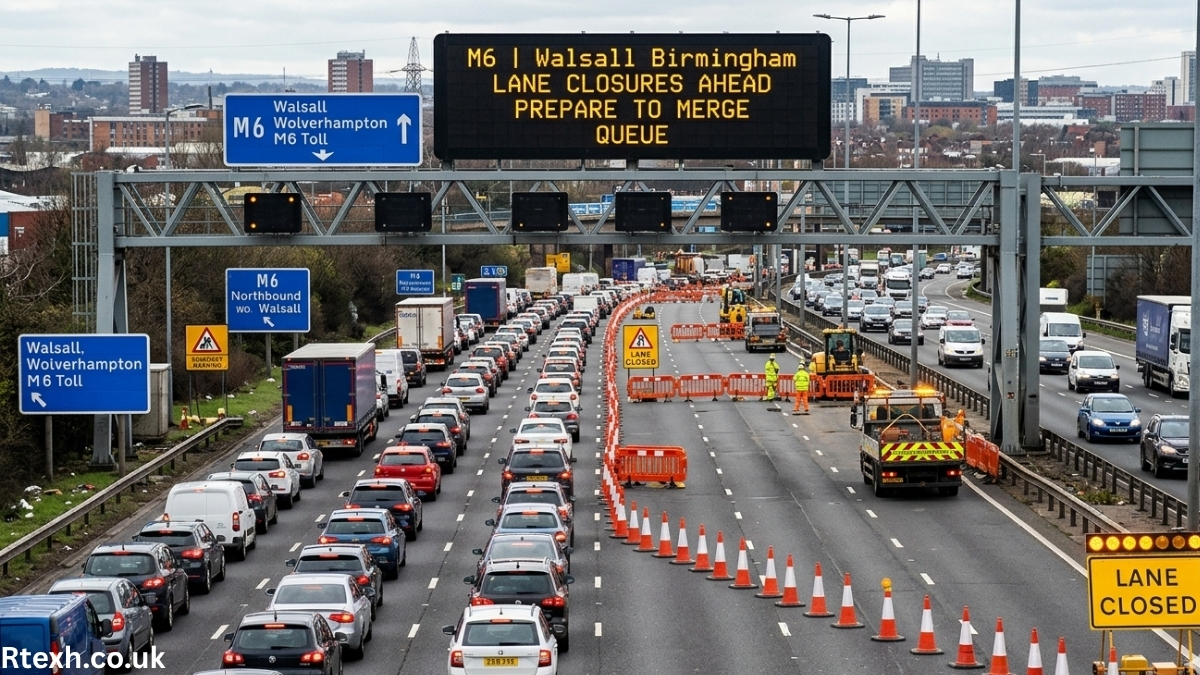
Motorways are the backbone of the United Kingdom’s transportation network, connecting major cities, supporting trade, and enabling daily commuting. Among them, the M6 motorway plays a critical role, particularly in the Midlands region where it serves as a key route for both local and long-distance traffic. Recently, lane closures between Walsall and Birmingham have caused significant disruption, drawing attention from commuters, logistics companies, and local authorities.
The section of the M6 near Walsall and Birmingham is known for heavy traffic volumes even under normal conditions. When lane closures occur, the impact can be immediate and widespread, affecting travel times, road safety, and economic activity. Drivers often experience delays, congestion, and confusion due to changing traffic conditions.
This article provides a complete and accurate breakdown of the M6 Walsall Birmingham Lane Closures. It explains the reasons behind the closures, their impact on commuters, how authorities are managing the situation, and what drivers can do to minimize disruption.
Overview of the M6 Walsall–Birmingham Corridor
The M6 motorway is one of the longest and busiest motorways in the UK, stretching from the Midlands to the North West. The section between Walsall and Birmingham is particularly important because it serves as a major link for commuters, freight vehicles, and long-distance travelers.
This stretch of road connects key urban and industrial areas, making it a vital route for economic activity. It also links to other major roads and motorways, increasing its strategic importance. As a result, traffic density is consistently high, especially during peak hours.
Due to its heavy usage, even minor disruptions can quickly escalate into major congestion. Lane closures, whether planned or unexpected, can significantly reduce traffic flow and create bottlenecks that extend for miles.
ALSO READ: easyJet Flight U2238 Emergency Landing Newcastle: Full Incident Analysis
What Happened: M6 Lane Closures Explained
The recent lane closures on the M6 near Walsall and Birmingham were implemented as part of a combination of roadworks, maintenance activities, and traffic management measures. In some cases, closures may also be linked to accidents or emergency repairs.
Authorities often close one or more lanes to allow workers to carry out essential tasks safely. These tasks can include resurfacing, repairing damaged infrastructure, or upgrading safety features such as barriers and signage.
While these closures are necessary for long-term road safety and efficiency, they can cause short-term inconvenience. Drivers traveling through the affected area have reported delays, reduced speeds, and increased congestion.
Why Lane Closures Are Necessary
Lane closures are not implemented without reason. They are typically part of planned efforts to maintain and improve road infrastructure. Without regular maintenance, motorways can deteriorate, leading to safety risks and more severe disruptions in the future.
One of the main reasons for closures is road resurfacing, which ensures that the driving surface remains smooth and safe. Over time, heavy traffic can cause wear and tear, requiring periodic repairs.
Another reason is the installation or maintenance of safety features. These may include barriers, lighting systems, and drainage improvements. Such upgrades are essential for preventing accidents and ensuring efficient traffic flow.
Specific Location and Affected Sections
The lane closures primarily affect sections of the M6 between key junctions near Walsall and Birmingham. These areas are known for high traffic volumes and frequent congestion even under normal conditions.
Certain junctions may experience more severe delays due to merging traffic and reduced lane availability. Drivers entering or exiting the motorway in these areas are particularly affected.
Understanding the exact location of closures is important for planning journeys. Traffic updates and navigation apps can help drivers identify affected sections and choose alternative routes if necessary.
Impact on Daily Commuters
For daily commuters, lane closures on the M6 can significantly increase travel times. What is normally a short journey can become much longer due to congestion and reduced speeds.
Many commuters rely on this route for work, making delays particularly frustrating. In some cases, drivers may need to leave earlier or adjust their schedules to avoid peak congestion.
Public transportation options may also be affected, as buses and other services that use the motorway experience similar delays. This can have a ripple effect on overall mobility in the region.
Impact on Businesses and Logistics
The M6 is a critical route for freight and logistics. Lane closures can disrupt supply chains, delay deliveries, and increase transportation costs for businesses.
Logistics companies often operate on tight schedules, and delays can have financial consequences. Increased travel time also leads to higher fuel consumption, adding to operational costs.
For businesses in the Midlands, the M6 is essential for connecting to other regions. Any disruption can affect productivity and economic activity.
Traffic Congestion and Delays
One of the most immediate effects of lane closures is increased congestion. When lanes are reduced, traffic flow slows down, leading to longer queues and delays.
During peak hours, congestion can become severe, with traffic sometimes coming to a near standstill. This can be particularly challenging for drivers who are unfamiliar with the area.
Authorities often implement traffic management strategies to reduce congestion, but these measures cannot fully eliminate the impact of reduced lane capacity.
Role of Authorities and Traffic Management
Organizations such as National Highways are responsible for managing motorway operations and ensuring safety during lane closures.
They use a variety of strategies to manage traffic, including variable speed limits, warning signs, and real-time updates. These measures help drivers adjust their behavior and reduce the risk of accidents.
Traffic officers may also be deployed to monitor conditions and respond to incidents. Their presence helps maintain order and ensures that disruptions are handled efficiently.
Alternative Routes and Diversions
To minimize disruption, authorities often provide alternative routes and diversion plans. These routes help distribute traffic and reduce pressure on the affected motorway section.
Drivers can use navigation apps to find the best alternative routes based on real-time traffic conditions. Planning ahead can help avoid the worst delays.
However, alternative routes may also become congested as more drivers use them. It is important to stay updated and flexible when planning travel.
Safety Considerations During Lane Closures
Safety is a top priority during lane closures. Reduced lanes and changing traffic patterns can increase the risk of accidents if drivers are not careful.
Drivers are advised to follow speed limits, pay attention to signage, and maintain safe distances from other vehicles. Sudden lane changes and aggressive driving should be avoided.
Workers on the road are also at risk, making it essential for drivers to remain alert and cautious in work zones.
Public Reaction and Commuter Feedback
The lane closures have generated mixed reactions from the public. While some drivers understand the need for maintenance, others have expressed frustration over delays and inconvenience.
Social media and local forums have been filled with discussions about traffic conditions and travel experiences. Many commuters share tips and updates to help others navigate the situation.
Public feedback can be valuable for authorities, helping them improve communication and traffic management strategies.
Long-Term Benefits of Roadworks
Although lane closures can be inconvenient, they often lead to long-term benefits. Improved road conditions enhance safety, reduce accidents, and provide a smoother driving experience.
Upgraded infrastructure can also support higher traffic volumes, reducing congestion in the future. This is particularly important in busy regions like the Midlands.
Investing in road maintenance ensures that the motorway network remains reliable and efficient over time.
Future Outlook and Expected Completion
The duration of lane closures depends on the scope of the work being carried out. Some closures may last only a few days, while others may continue for weeks or months.
Authorities typically provide updates on expected completion dates, allowing drivers to plan accordingly. Staying informed is key to minimizing disruption.
Once the work is completed, drivers can expect improved road conditions and potentially better traffic flow.
Conclusion: M6 Walsall Birmingham Lane Closures
The lane closures on the **M6 motorway between **Walsall and **Birmingham highlight the challenges of maintaining a busy and essential transportation route. While the disruptions can be frustrating, they are a necessary part of ensuring long-term safety and efficiency.
From increased congestion and commuter delays to the broader impact on businesses and logistics, the effects of these closures are wide-ranging. However, the efforts of authorities and the resilience of drivers help manage the situation effectively.
Ultimately, these improvements will contribute to a safer and more reliable motorway network. By staying informed and planning ahead, drivers can navigate the challenges and benefit from the long-term advantages of these essential upgrades.
FAQs
Why are there lane closures on the M6 near Walsall and Birmingham?
The closures are mainly due to roadworks, maintenance, and safety upgrades aimed at improving long-term road conditions.
Which areas are most affected?
The busiest sections between Walsall and Birmingham, especially near key junctions, are experiencing the most congestion.
How long will the M6 lane closures last?
The duration depends on the scope of work. Some closures may last days, while major projects can continue for weeks.
Are there alternative routes available?
Yes, drivers can use local roads and nearby motorways, but these may also experience increased traffic.
How can I avoid delays on the M6?
Check live traffic updates, travel outside peak hours, and plan alternative routes in advance.

Air travel has become one of the safest and most reliable modes of transportation, supported by strict regulations, advanced technology, and highly trained professionals. However, even within this highly controlled environment, unexpected situations can arise that require immediate action. One such incident that recently drew attention was the emergency diversion of easyJet flight U2238 to Newcastle International Airport.
The phrase “emergency landing” often creates concern among passengers and the public, as it suggests danger or technical failure. In reality, many emergency landings are precautionary measures taken to ensure passenger safety. In the case of flight U2238, the situation was triggered by a serious onboard medical emergency, not a mechanical or operational failure.
This article provides a comprehensive and accurate breakdown of the easyJet Flight U2238 Emergency Landing Newcastle. It explores what happened onboard, how the crew responded, the timeline of events, and what this case reveals about modern aviation safety systems. By the end, you will have a clear understanding of how such incidents are managed and why they demonstrate the strength of aviation protocols rather than weakness.
Overview of easyJet Flight U2238
Flight U2238 was a scheduled commercial service operated by easyJet, traveling from Copenhagen, Denmark, to Manchester, United Kingdom. The route is a typical short-haul European journey, commonly completed in under two hours. The aircraft assigned to the flight was part of the Airbus A320 family, known for its efficiency and reliability in short- to medium-haul operations.
At the start of the journey, there were no reported issues with the aircraft or crew. Boarding, takeoff, and initial climb proceeded normally. Passengers settled into their seats, and the flight entered its cruising phase without any signs of disruption. From an operational standpoint, everything was routine.
However, as the flight progressed, an unexpected situation began to unfold in the cabin. What initially may have appeared as a minor issue quickly escalated into a serious concern, ultimately requiring intervention beyond what could be handled onboard.
ALSO READ: Rajkot Updates News: When Will the Tesla Phone Be Released? (2026 Guide)
What Triggered the Emergency Situation
The emergency diversion was triggered by a passenger experiencing a significant medical condition during the flight. While airlines are equipped to handle minor health issues, certain situations exceed the capabilities of onboard care and require immediate professional medical attention.
Cabin crew were the first to identify that something was wrong. They are trained to monitor passenger well-being and respond to signs of distress. In this case, the condition of the passenger deteriorated to a point where basic first aid was no longer sufficient.
Medical emergencies in the air present unique challenges. The aircraft environment, including cabin pressure and limited space, can complicate treatment. When a situation becomes critical, the crew must quickly determine whether to continue to the destination or divert to the nearest suitable airport.
Immediate Response by Cabin Crew
Once the medical issue was identified, the cabin crew initiated standard emergency response procedures. Their first step was to assess the passenger’s condition and provide immediate care using the onboard medical kit.
Airlines typically carry essential medical equipment, including oxygen supplies and automated external defibrillators (AEDs). These tools allow crew members to stabilize passengers in critical situations. In addition, announcements are often made to identify medically trained passengers who can assist.
During this incident, the crew remained calm and methodical. They balanced two responsibilities at once: providing care to the affected passenger and maintaining a stable, controlled environment for the rest of the cabin. Their ability to manage both aspects effectively is a key part of aviation safety training.
Communication Between Cabin Crew and Pilots
As the situation escalated, communication between the cabin crew and cockpit became critical. The crew relayed detailed information about the passenger’s condition, including symptoms, severity, and response to initial treatment.
Pilots rely heavily on this information to make informed decisions. In many cases, they may also consult ground-based medical advisory services, which provide expert guidance during in-flight emergencies.
This communication must be clear, concise, and continuous. Any delay or misunderstanding could affect the outcome. In the case of flight U2238, the information provided allowed the pilots to quickly assess the urgency of the situation and begin evaluating diversion options.
Decision to Divert the Aircraft
Diverting a commercial flight is a serious decision that involves multiple considerations. Pilots must weigh factors such as distance to the destination, availability of suitable airports, fuel levels, and the severity of the emergency.
In this case, the passenger’s condition required urgent medical attention that could not wait until arrival in Manchester. Continuing the flight would have increased the risk to the individual.
The pilots chose to divert to Newcastle International Airport, as it was the closest airport capable of handling the situation. This decision reflects the primary rule of aviation: safety always comes first.
Why Newcastle Was Selected
The selection of Newcastle as the diversion airport was based on several practical and safety-related factors. First, it was geographically closer than Manchester at the time the decision was made, allowing for a faster landing.
Second, Newcastle Airport is fully equipped to handle commercial aircraft and emergency situations. It has the necessary runway length, air traffic control systems, and medical response capabilities.
Finally, coordination with air traffic control ensured that the aircraft could receive priority handling. This minimized delays and allowed the crew to focus entirely on the emergency without additional operational concerns.
Timeline of the Emergency Landing
The timeline of events highlights the efficiency of the response. After the medical emergency was identified, the crew acted within minutes to provide initial care and inform the cockpit.
Shortly after, the pilots contacted air traffic control and initiated the diversion process. The aircraft began its descent toward Newcastle while emergency services were alerted on the ground.
The plane landed safely within a relatively short time frame after the decision was made. Upon arrival, medical teams were already in position, demonstrating how quickly aviation systems can mobilize in response to emergencies.
Emergency Services Response on the Ground
Before the aircraft even touched down, emergency services at Newcastle Airport were fully prepared. This included ambulances, paramedics, and airport emergency personnel positioned near the runway.
Air traffic control coordinated the arrival to ensure a smooth and uninterrupted landing. Once the aircraft stopped, medical teams boarded immediately to attend to the affected passenger.
This rapid response is a key component of aviation safety. It ensures that critical cases receive professional medical care as quickly as possible, significantly improving outcomes.
Passenger Experience During the Incident
For passengers onboard, the experience was unexpected but handled professionally. Clear communication from the captain helped explain the situation and the reason for the diversion.
While some passengers may have felt concerned initially, the calm and controlled behavior of the crew played a major role in maintaining order. Transparency and reassurance are essential in such situations.
Most passengers later expressed understanding and support for the decision. Although the journey was disrupted, the priority was the well-being of a fellow traveler.
Aircraft Safety and Medical Equipment
The aircraft used for flight U2238, part of the Airbus A320 family, is equipped with advanced safety systems and medical supplies. These are standard across commercial aviation.
Onboard equipment typically includes first aid kits, oxygen bottles, and AEDs. These tools allow crew members to respond effectively to a wide range of medical situations.
While these resources are valuable, they are not a substitute for full medical care. This is why diversions are necessary in more serious cases, as seen in this incident.
Impact on Flight Operations
Emergency diversions can affect other flights and airport operations. In this case, air traffic control had to adjust the movements of nearby aircraft to prioritize the landing of flight U2238.
Such adjustments are routine and managed efficiently. The aviation system is designed to handle unexpected events without compromising overall safety.
Although there may be minor delays, the impact is usually limited. The priority remains ensuring that the emergency aircraft lands safely and receives the necessary support.
Why Medical Emergencies Are Common in Flights
Medical emergencies are one of the most frequent causes of flight diversions. With large numbers of passengers traveling daily, it is statistically likely that some will experience health issues.
Factors such as cabin pressure, reduced oxygen levels, and long periods of sitting can contribute to certain conditions. Additionally, passengers may have pre-existing health issues that become problematic during travel.
Airlines prepare for these situations through training and equipment, but some cases still require immediate access to ground-based medical care.
Aviation Safety Protocols in Action
This incident demonstrates how aviation safety protocols are designed to handle emergencies effectively. Every step, from initial response to final landing, follows established procedures.
Pilots, cabin crew, air traffic control, and ground services all work together as part of a coordinated system. Each role is clearly defined, ensuring that nothing is left to chance.
The success of this operation highlights the strength of these protocols. Even in unexpected situations, the system functions smoothly to protect passengers.
Lessons from the U2238 Incident
The emergency landing of flight U2238 offers several important lessons. First, it shows the importance of rapid decision-making in critical situations.
Second, it highlights the value of training and preparation. The crew’s ability to respond calmly and effectively made a significant difference.
Finally, it reinforces trust in aviation systems. The incident was handled safely, demonstrating that even emergencies are managed with precision and care.
Conclusion: easyJet Flight U2238 Emergency Landing Newcastle
The diversion of **easyJet flight U2238 to Newcastle International Airport was a well-executed response to a medical emergency. While unexpected, it reflects the core principles of aviation: safety, coordination, and professionalism.
From the quick actions of the cabin crew to the decisive leadership of the pilots and the readiness of ground emergency teams, every aspect of the response was handled efficiently.
Rather than raising concerns, this incident should reassure passengers. It demonstrates that when something goes wrong, the aviation system is fully prepared to respond and ensure the best possible outcome.
FAQs
Why did easyJet flight U2238 make an emergency landing?
The flight was diverted due to a serious medical emergency involving a passenger who required urgent professional medical attention.
Where did the emergency landing take place?
The aircraft landed at Newcastle International Airport, which was the closest suitable airport at the time.
Was there a technical problem with the aircraft?
No, there were no reported mechanical or technical issues. The diversion was purely due to a medical situation onboard.
Are emergency landings common in aviation?
Yes, emergency diversions are relatively common, especially for medical reasons, and they are part of standard safety procedures.
Was anyone else affected during the incident?
Other passengers experienced a delay, but there were no injuries or safety risks reported beyond the medical emergency.

In recent years, discussions about a potential Tesla smartphone have spread far beyond tech blogs and forums, reaching even local circles in cities like Rajkot. The idea of a Tesla-branded phone sparks curiosity because Tesla is already a household name in innovation thanks to its electric vehicles, renewable energy products, and futuristic projects involving Starlink satellites and AI technology.
People in Rajkot and across India discuss this topic on WhatsApp groups, social media platforms, and technology communities as they wonder if Tesla will take on industry giants like Apple and Samsung in the smartphone space. This level of engagement reflects both enthusiasm for new technology and a desire to stay updated with global cutting-edge announcements, even at the local level.
However, separating rumor from reality is crucial especially with widespread speculation and misleading claims circulating online. This comprehensive guide explores everything you need to know about the Rajkot Updates News: When Will the Tesla Phone Be Released, the most recent updates, context around the technology, and what’s realistically expected regarding a launch date.
What Is the Tesla Phone Rumor All About?
The idea of a Tesla smartphone often referred to in rumors as the Tesla Pi Phone or Model Pi emerged from online speculation and leaked renders that went viral on social media. Some tech enthusiasts have even shared futuristic feature lists claiming integration with Tesla cars, solar charging, and satellite internet connectivity through SpaceX’s Starlink network.
Despite all the buzz, there is no official confirmation from Tesla, Inc. or its CEO Elon Musk that such a phone is being developed. Reports by fact-checking organizations and tech industry analysts emphasize that these rumors are largely speculative, with no formal release announced yet. In fact, Musk himself has stated in the past that Tesla would only consider a smartphone project under specific and unlikely circumstances.
For now, the Tesla phone remains in the realm of concept renderings and online chatter. Still, the idea continues to attract attention because of Tesla’s reputation for innovation and integration across automobiles, renewable energy, AI systems, and satellite connectivity.
Where the Rumors Started: Sources of Tesla Phone Buzz
The earliest sparks of Tesla smartphone talk appeared when tech designers and concept creators shared imagined images and properties of a Tesla Halo phone. These concepts often featured advanced tech like satellite connectivity and Neuralink linkage, blending Elon Musk’s various ventures into one rumored device.
Social media continuously fuels the discussion. Every few months, new videos and posts claiming “leaks” or “early release dates” resurface, spreading excitement and speculation. These are often picked up by smaller blogs and language sites, amplifying the reach.
In Indian cities like Rajkot, this trend mirrors how global digital culture intersects with local online communities. Even without official announcements, curiosity stays high partly because Tesla’s innovations have captivated worldwide attention and people hope the same disruptive approach might apply to mobile technology too.
Is a Tesla Phone Actually Real? What Industry Experts Say
Despite all the buzz, the most credible reporting available confirms that Tesla has not officially announced any phone. Investigations by tech news outlets and fact-checking organizations show that the so-called Tesla phone remains unverified and likely a concept rather than a real product.
In fact, Elon Musk has explicitly stated on multiple occasions that Tesla is not actively developing a phone project, unless there were extreme technological shifts or restrictions from other companies. “No, we’re not doing a phone,” Musk said in a past interview, emphasizing that Tesla’s primary focus remains on electric vehicles, renewable tech, robotics, and AI not smartphones.
Given Tesla’s current roadmap, which includes robotaxi development and the expansion of its vehicle lineup, it’s understandable that the company may prefer to concentrate on these core technologies rather than enter an extremely competitive smartphone market dominated by established names.
Why People Still Believe the Tesla Phone Might Come
Even without official confirmation, several factors keep the Tesla phone conversation alive:
Tesla’s Global Brand Power
Tesla’s reputation as a disruptive company means people are always ready to believe its next big idea — even if it hasn’t been announced.
Integration Hype with Tesla Ecosystem
Speculation often suggests that a Tesla phone could act as a hub for Starlink satellite connectivity, vehicle control, and AI-powered features. These concepts spark people’s imaginations, even without evidence.
Deepfake Content and Mockups Online
Visual content, especially AI-generated renders and social media videos, spreads quickly and can be mistaken for leaks, adding fuel to rumor cycles.
The Promise of Future Tech
People are excited by futuristic ideas like solar charging or Neuralink integration even if such features remain theoretical at best.
These reasons explain why excitement persists, but they do not represent confirmed development or a set release timeline.
When Will the Tesla Phone Be Released? Exploring the Rumored Timelines
As of early 2026, no official release date exists for a Tesla smartphone. Most timelines circulating online such as possible launches in late 2025 or even 2026 are speculative and not backed by any official statements from Tesla or its executives.
Some online sources mention rumored timelines clustering around Q4 2025 through early 2026, pointing to potential reveal events during Tesla earnings calls or major industry showcases. However, these are educated guesses made by enthusiasts based on Tesla’s typical product cadence.
Analysts emphasize that until Tesla officially confirms anything, all release dates remain rumors. Unlike a vehicle launch where patent filings, prototype sightings, and official teasers are common the smartphone rumor has not progressed beyond imaginative speculation and unverified claims.
Potential Features People Talk About Separating Fact from Fiction
Online conversations around Tesla phone features are vibrant and often imaginative, mixing real possibilities with science fiction-like ideas:
Starlink Connectivity
One of the most talked-about features is built-in support for Starlink satellite internet, potentially allowing connectivity without traditional mobile network coverage. While Elon Musk’s SpaceX has developed Starlink for global broadband, there is no confirmation it would be embedded in a smartphone.
Solar Charging
Some rumors suggest that Tesla could integrate solar charging technology into the phone. Tesla’s work in solar tech makes this idea logical at first glance, but engineering challenges make it unlikely for a phone-sized device.
Neuralink Integration
Concepts about Neuralink compatibility allowing thought-based control are widely circulated. However, this remains firmly within speculative territory and has no basis in official product planning.
Deep Integration With Tesla Vehicles
Fans suggest a Tesla phone could replace keys, control vehicle functions, and sync with the Tesla ecosystem. While integration between Tesla apps and vehicles already exists, doing this via a custom hardware platform would require a major strategic shift.
Most of these rumored features are fun to imagine but are not supported by credible evidence from Tesla.
Why Tesla Might Not Enter the Smartphone Market
Competing with industry leaders like Apple Inc. and Samsung Electronics is not easy. Smartphones involve complex ecosystems from operating systems to global supply chains and continuous software support. These areas differ significantly from Tesla’s core strengths in electric vehicles and renewable energy.
Analysts note that Tesla’s strategic focus remains on electric mobility, autonomous technology, energy storage, and AI robotics. Diverting resources to develop a new smartphone platform would require a major shift in priorities and risk cannibalizing focus from existing projects.
Furthermore, the smartphone industry demands massive investments in app ecosystems, carrier partnerships, hardware supply chains, and software development areas where Apple and Google have decades of established infrastructure. Tesla stepping into that space without a clear advantage would be a high-risk move.
How Rajkot and Local Tech Enthusiasts Are Reacting
In Rajkot, like in many other cities, tech circles, WhatsApp groups, and social media feeds often discuss global tech trends, even when those trends are unofficial. Talk about a Tesla phone reflects not only fascination with technology but also a desire to stay informed about products that could shape future lifestyles.
Local users often repost viral renderings and rumor headlines, sharing them with questions like “When will it be released?” or “Will it arrive in India soon?” These conversations reveal how global digital culture impacts local curiosity, even without confirmed news.
However, it’s important for local readers in Rajkot and beyond to be cautious about rumors and rely on verified sources rather than viral social media posts.
Conclusion: What We Know — and What We Don’t
To summarize:
-
There is no official Tesla phone announced yet, and nothing confirmed by Tesla or Elon Musk.
-
Rumors remain active and widely discussed online, fueled by concept renders and speculative timelines.
-
The most credible information suggests that any release plan, if it exists, has not reached maturity and remains unconfirmed.
-
Local interest in cities like Rajkot shows how global tech conversations spread, even without official announcements.
In the coming years, Tesla’s focus on robotics, AI, satellite connectivity, and electric mobility will continue to excite tech enthusiasts. But as of now, the idea of a Tesla smartphone remains a fascinating rumor rather than a confirmed product and fans will have to stay patient for any official developments.
FAQs
Has Tesla officially announced a phone release date?
No, there is no official release date or confirmation from Tesla as of early 2026.
What is the Tesla Model Pi phone rumor?
It’s a speculative concept that imagines a future Tesla smartphone with features like Starlink, solar charging, and deep Tesla ecosystem integration.
Are the rumored Tesla phone features real?
Most features discussed online are speculative and have not been verified by Tesla.
Could Tesla enter the phone market in the future?
While anything is possible, industry experts believe Tesla is unlikely to prioritize a smartphone due to strategic focus on core business areas.
What$ should Rajkot tech enthusiasts do to stay updated?
Follow official Tesla news channels, verified tech outlets, and fact-checking organizations rather than relying on viral social media posts.

-

 General6 months ago
The Color-Changing Wonders of Chameleónovité
-

 Entertainment6 months ago
Brandi Loge: The Journey of a Talented Star
-

 Health6 months ago
Health Threetrees com vn – A Guide to Better Living
-

 Entertainment6 months ago
Mike Wolfe Passion Project
-

 Education6 months ago
Florncelol meaning uses and complete guide
-

 Business6 months ago
Understanding EO PIS: The Future of Efficient Operations
-

 General6 months ago
Simpcitt and Its Growing Importance in the Digital Era
-

 General3 months ago
Trucofax Insights: How It Works and Why It Matters – Rtexh